

Yarran Dheran Wetlands - A Changing Landscape
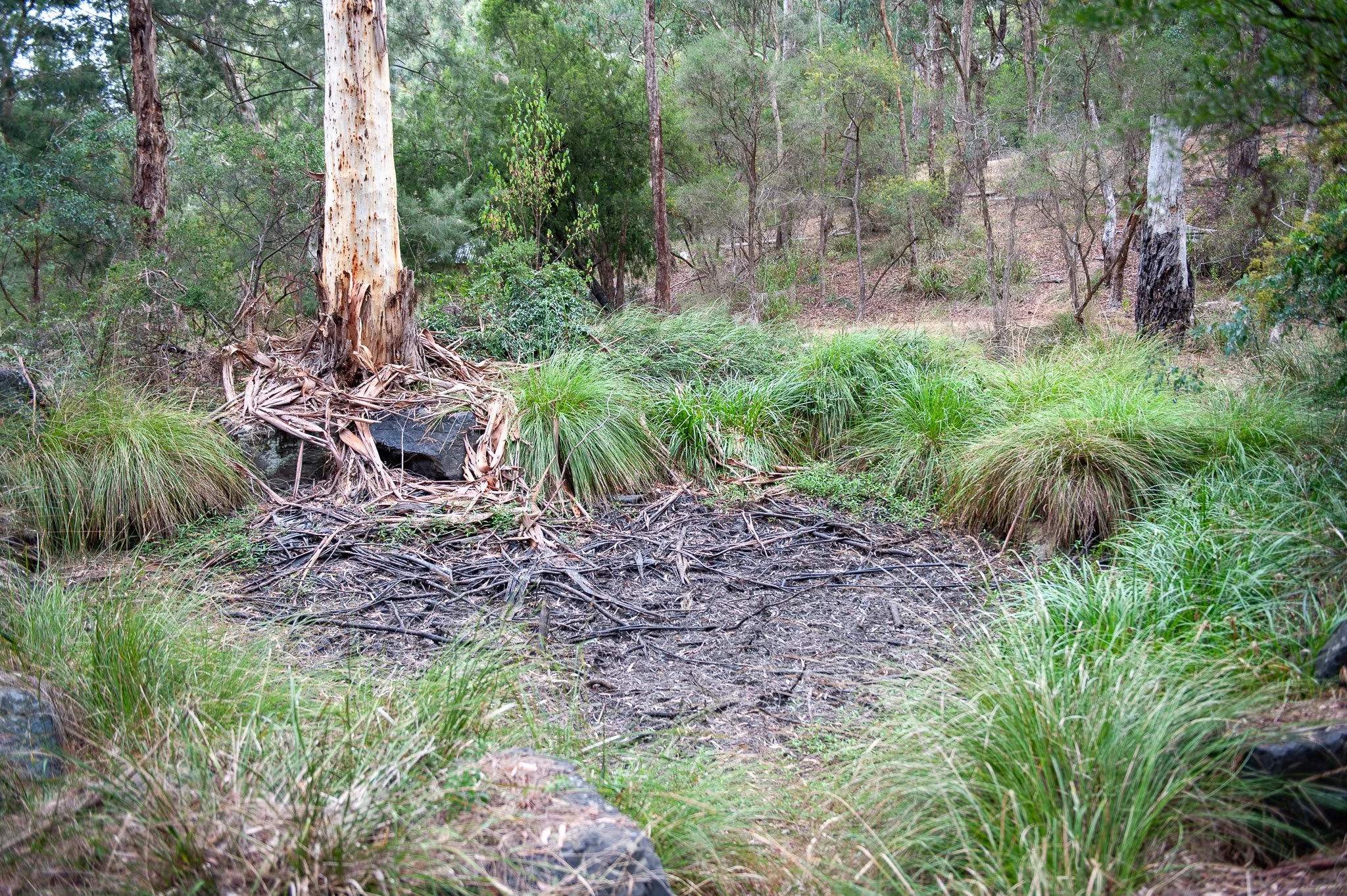
Image taken February 2026 - Yarran Dheran Nature Reserve - Ephemeral Wetlands
Many in our community hold fond memories of the artificial ponds and waterfall at Yarran Dheran. For years, they were a much-loved feature and a place people returned to with family and friends. It’s understandable that the current low water levels may feel concerning or even a little sad.
While the ponds were originally supported by a pump drawing water from Mullum Mullum Creek, the Millennium Drought prompted water conservation measures across Victoria that reshaped both legislation and local water management practices. The pumps were switched off during this period, and since then the ponds have relied entirely on rainfall and stormwater.
In the years that followed, the Water Act 1989 (Vic) was amended, and the Environmental Water Reserve and Melbourne Water’s Stream Flow Management Plans were established. Together, these provide the framework for managing waterways, with local authorities applying rules to balance agricultural, urban and environmental water needs.
The ponds have since evolved into ephemeral wetlands that fill and recede in response to rainfall. This pattern is a natural feature of Australian bushland ecosystems. Although lower water levels can appear stark, the wetlands continue to support local wildlife, including native frog species and Eastern Long-necked Turtles. They have become self-sustaining and responsive to the broader climate and seasonal conditions shaping our region.
This summer has been exceptionally dry. Mitcham recorded just 1.8mm of rainfall in January 2026, compared with a 20-year January average of 59.66mm. Across Melbourne, Melbourne Water has reported the steepest annual decline in storages since the Millennium Drought, reflecting record-low inflows and hotter, drier conditions.
We continue to work closely with Whitehorse City Council. Ongoing collaboration between Council and the dedicated Yarran Dheran volunteers focuses on erosion control, improving stormwater capture to increase flows through the ponds, and careful weed management. This steady work helps protect the ecological health of the wetlands as they adapt to changing conditions.
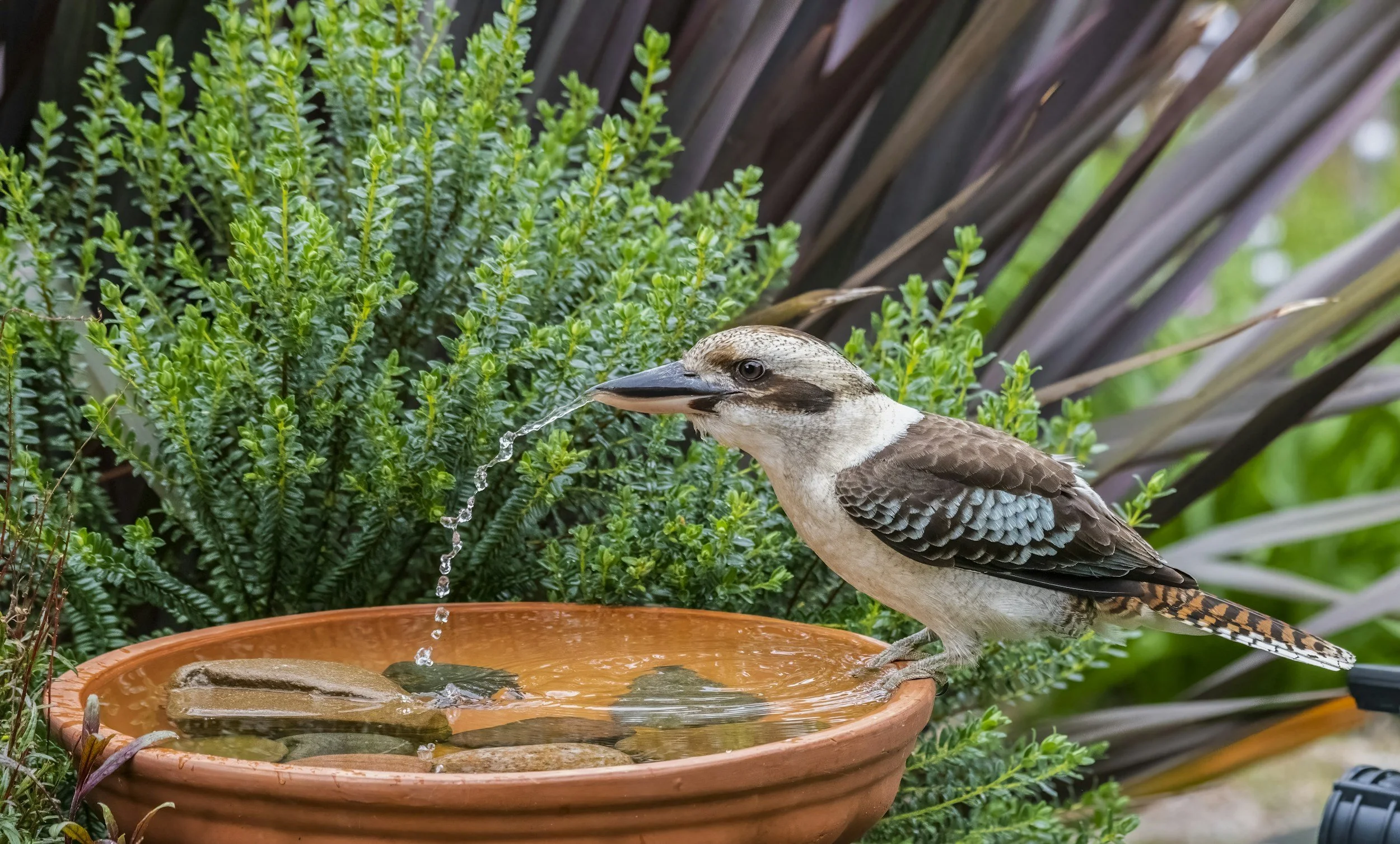
How you can support local wildlife at home
Even a small garden can be a refuge for wildlife - and during hot, dry spells like this one, a few simple actions make a real difference.
In hot, dry weather, the single most important thing you can do is provide water. Set out a shallow dish or bird bath and keep it topped up. Place it near shrubs or dense planting so small birds can drink and bathe without feeling exposed to predators, and add a few stones, pebbles or a partly submerged branch so that bees, butterflies and other insects have a safe landing spot and don't drown. Refresh it regularly, especially on the hottest days.
Year-round, you can also make your garden a welcoming place for wildlife:
Small bird sanctuary: Plant dense, prickly shrubs where small birds can shelter and nest safely.
Insect retreat: Plant indigenous wildflowers and add a simple insect house for native bees and butterflies.
Lizard resort: Grow tall grasses and ground covers, and add mulch, rocks and logs for shelter - leaving a few sunny rocks where lizards can bask.
Frog bog: Create a small pond with shallow edges so frogs can get in and out easily, with rocks and indigenous water plants around the edge.
The Yarran Dheran Advisory Committee also proudly supports Whitehorse's Gardens for Wildlife program, which helps local residents turn their gardens into havens for native plants and animals. Our brochure, Creating Stepping Stones for Wildlife from Yarran Dheran, is a great place to begin (see the links below).
Find out More
Birds in Backyards, Providing water for your local birds this summer
Yarran Dheran, Creating Stepping Stones for Wildlife — available under Resources on our website (https://www.yarrandheran.org/s/yarran-dheran-stepping-stones-for-wildlife.pdf)
Whitehorse City Council, Gardens for Wildlife program
Yarran Dheran remains a special place that continues to evolve. We appreciate the community’s ongoing care and interest and will continue working together to support the wetlands and the wildlife that depend on them.