information

About Yarran Dheran

Yarran Dheran Nature Reserve is a treasured pocket of bushland along the Mullum Mullum Valley, cared for and protected by the Yarran Dheran Advisory Committee in partnership with the City of Whitehorse.


Advisory Committee

The Yarran Dheran Advisory Committee is a passionate team of community volunteers, appointed by the City of Whitehorse to provide practical support and advice to Council on managing the reserve. Working hand‑in‑hand with Council, our role is to care for, guide, and enrich this precious 7‑hectare bushland reserve in the Mullum Mullum Valley, protecting and enhancing its biodiversity and fostering community understanding and appreciation of its environmental, recreational, social, educational, spiritual and cultural values.

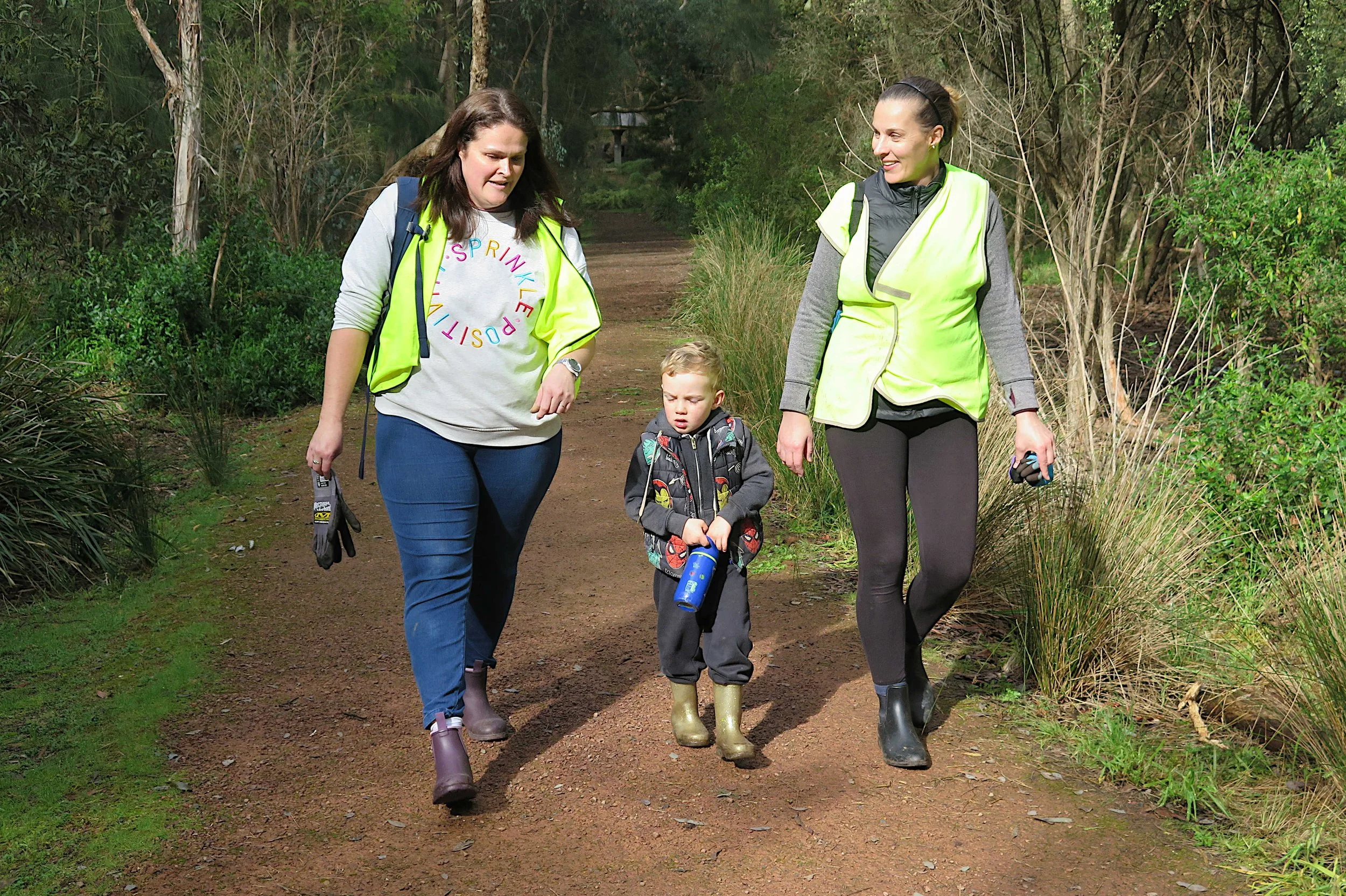
We run regular working bees, school group activities, guided walks, presentations, and citizen science projects such as Waterwatch, bird surveys and Quarterly Frog Surveys, and we also participate in Clean Up Australia Day and National Tree Day each year. The advisory committee meets every three months, and community members, students and nature lovers of all kinds are welcome to volunteer, join the Friends group that undertakes monthly working bees, or become a Committee member.

Contact yarrandherancommittee@gmail.com if you are interested in being a volunteer or a member of the advisory committee.

The Reserve

Once home to the Wurundjeri people and later used for farming, timber, quarrying, and even as a municipal tip, the reserve has transformed into an urban bushland reserve, rich with flora, fauna, and cultural history.

Today, the Advisory Committee of dedicated volunteers continues this legacy — protecting the reserve’s ecological values, running community events and education programs, and inviting everyone to connect with the beauty and history of this unique landscape.

  • The Mullum Mullum Creek valley, including the area now known as Yarran Dheran, lies on Wurundjeri Country and would have been used and occupied by Wurundjeri people long before European settlement. Until the early twenty‑first century there was no documented physical evidence of this use in the immediate Yarran Dheran area, but during construction of the Deep Creek Road bridge over Mullum Mullum Creek in 2001 a greenstone Aboriginal axehead was uncovered.

    From the first freehold land sales in the Nunawading district in the 1850s, most early European activity along the creek focused on cutting timber and producing charcoal for Melbourne. In 1861, German migrant Johann August Schwerkolt purchased a substantial holding on Deep Creek (now Mullum Mullum Creek), land that intersects with the modern-day Yarran Dheran Reserve, the Schwerkolt Cottage reserve and Antonio Park. He quarried stone from the creek banks to build his first stone house and later the surviving Schwerkolt Cottage, while the Antonio family subsequently farmed part of this land for flowers and vegetables for the Melbourne markets, giving their name to Antonio Park.​

    August Schwerkolt acquired land including Yarran Dheran, Schwerkolt Cottage and Antonio Park in 1861. He built his cottage using stone quarried in Yarran Dheran. The Antonio family acquired the land which continues to bear their name and grew flowers and vegetables for Melbourne markets.

    According to the Whitehorse Historical Society records, commercial quarrying of stone within what is now Yarran Dheran appears to have begun in the 1960s and continued into the mid‑twentieth century, ceasing in about 1955. The site then entered a very different phase as the Mitcham Municipal Tip, which operated there until its closure in 1963, after which Nunawading Council moved to rehabilitate the former tip and surrounding land as a bushland reserve with strong community involvement through 1970- 1994.

    In 1969 the Mullum Mullum Creek corridor was first set aside as a freeway reservation, a planning decision that unintentionally shielded much of the valley from intensive urban development during decades of dispute over the proposed road and, later, the EastLink project. When the precise freeway alignment was finally fixed, sustained community campaigning led to a political commitment by the Victorian Government to construct twin tunnels on EastLink beneath the Mullum Mullum Valley, between Park Road, Donvale and Deep Creek Road, Ringwood, in an effort to maintain the environmental and landscape values of the creek corridor.When the exact location of the proposed freeway was identified, strong community opposition over many years resulted in a political agreement by the Victorian State Government to build two tunnels as part of Eastlink to protect the Mullum Mullum Valley, extending from Park Road Donvale to Deep Creek Road Ringwood.

    Download a detailed history here.

  • The bushland of the Mullum Mullum Valley, with the Eastlink Tunnels beneath it, continues to be recognised environmentally as forming part of a significant wildlife corridor along the Mullum Mullum Creek, downstream to Templestowe and the Yarra River.

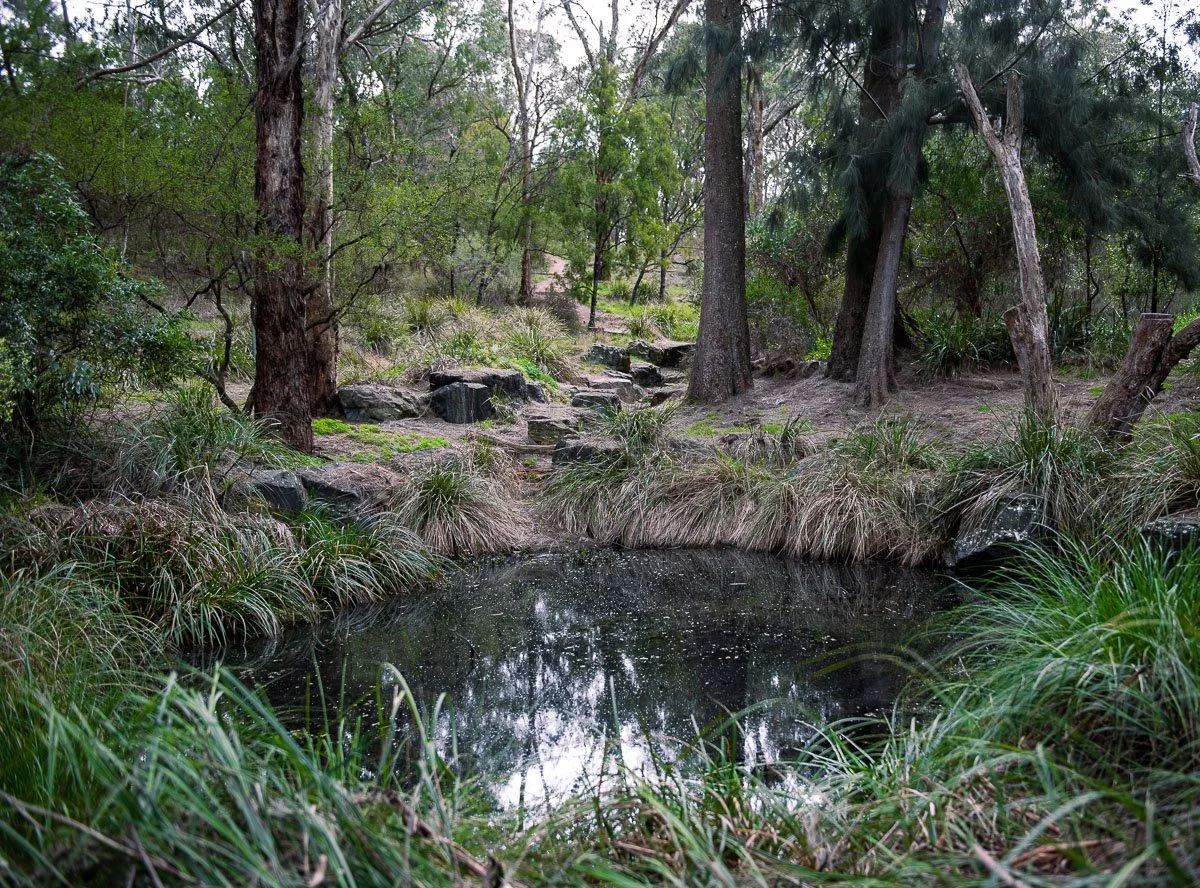
    The creek is one of the few urban creeks which has not been barrelled or channelled. The creek, the ponds, and the bushland in the valley provide habitat for a wide range of wildlife, some of which is unique within Whitehorse.

    Yarran Dheran is enjoyed by the community for its bushland. Its environmental values form the basis of a range of environmental activities and programs led by Whitehorse, the Yarran Dheran Advisory Committee, and the community.

Commmunity Partners

Our Supporters

Yarran Dheran's programs are supported by local community groups and organisations who share our commitment to caring for the reserve.