
Our Work
Caring for and protecting Yarran Dheran’s native bushland through community-led stewardship.
- 2nd Sunday Working bees, monthly
- 3rd Tuesday Bird surveys, monthly
- Quarterly Frog surveys
Environmental events
The advisory committee organises public environmental information events that are held in the Yarran Dheran Information Centre throughout the year as part of the committee’s Annual Calendar of Events.
These events include a guest speaker with particular expertise on a specific aspect of the flora and fauna of the local area and are normally followed by a guided walk. The events are open to the public and are free of charge.
The number of people able to attend each event is normally limited so prior booking is required.
A list of upcoming events and relevant contact details can be viewed through the events page.
Volunteering
Working bees
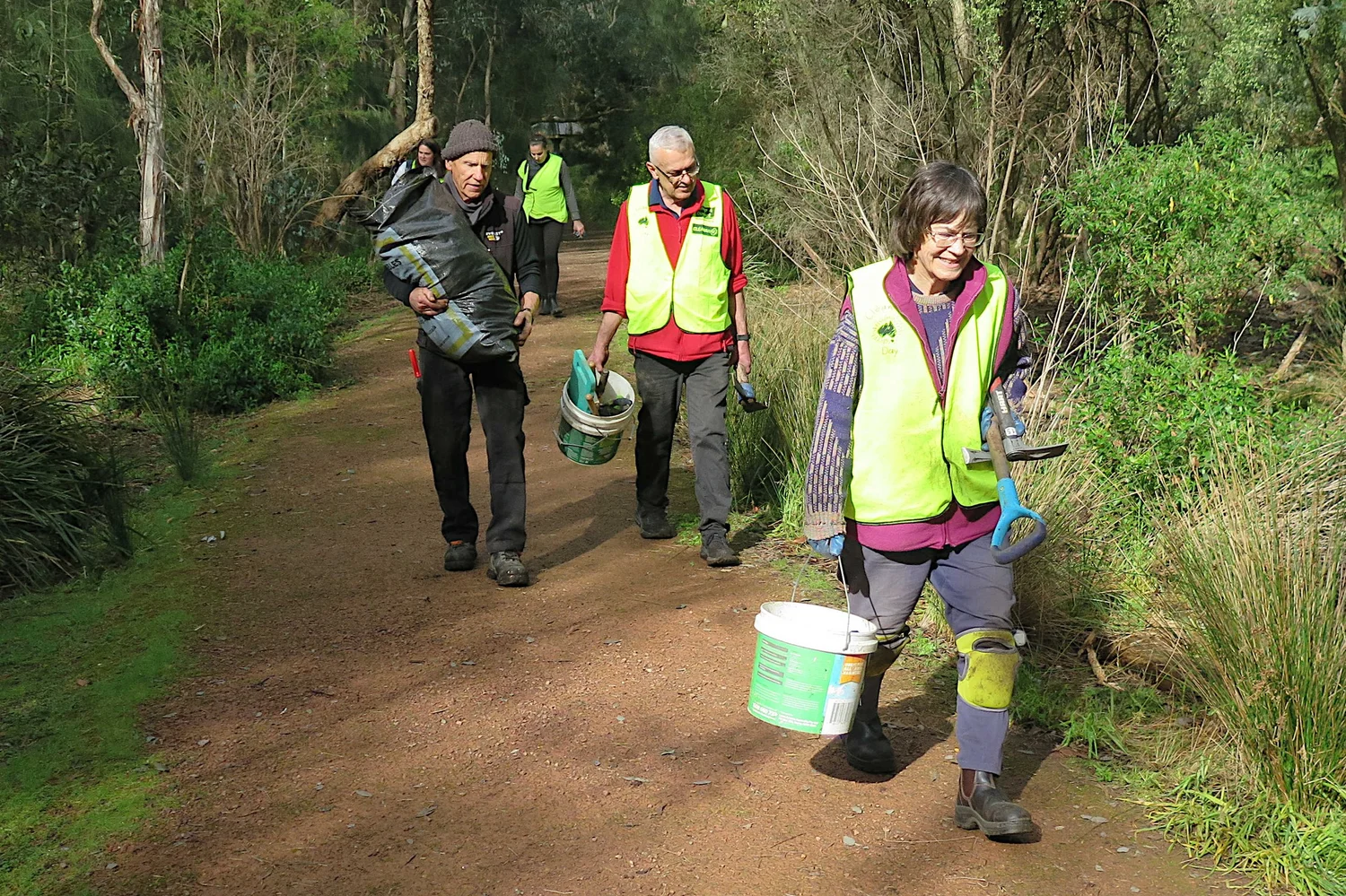
A team of volunteers led by representatives of the advisory committee conduct regular working bees in the reserve throughout the year.
The working bees are usually held in the morning on the second Sunday of every month except January.
The work undertaken by these volunteers includes hand weeding, mulching, and revegetation with locally sourced indigenous plants. New volunteers are always welcome.
Citizen science
Bird surveys
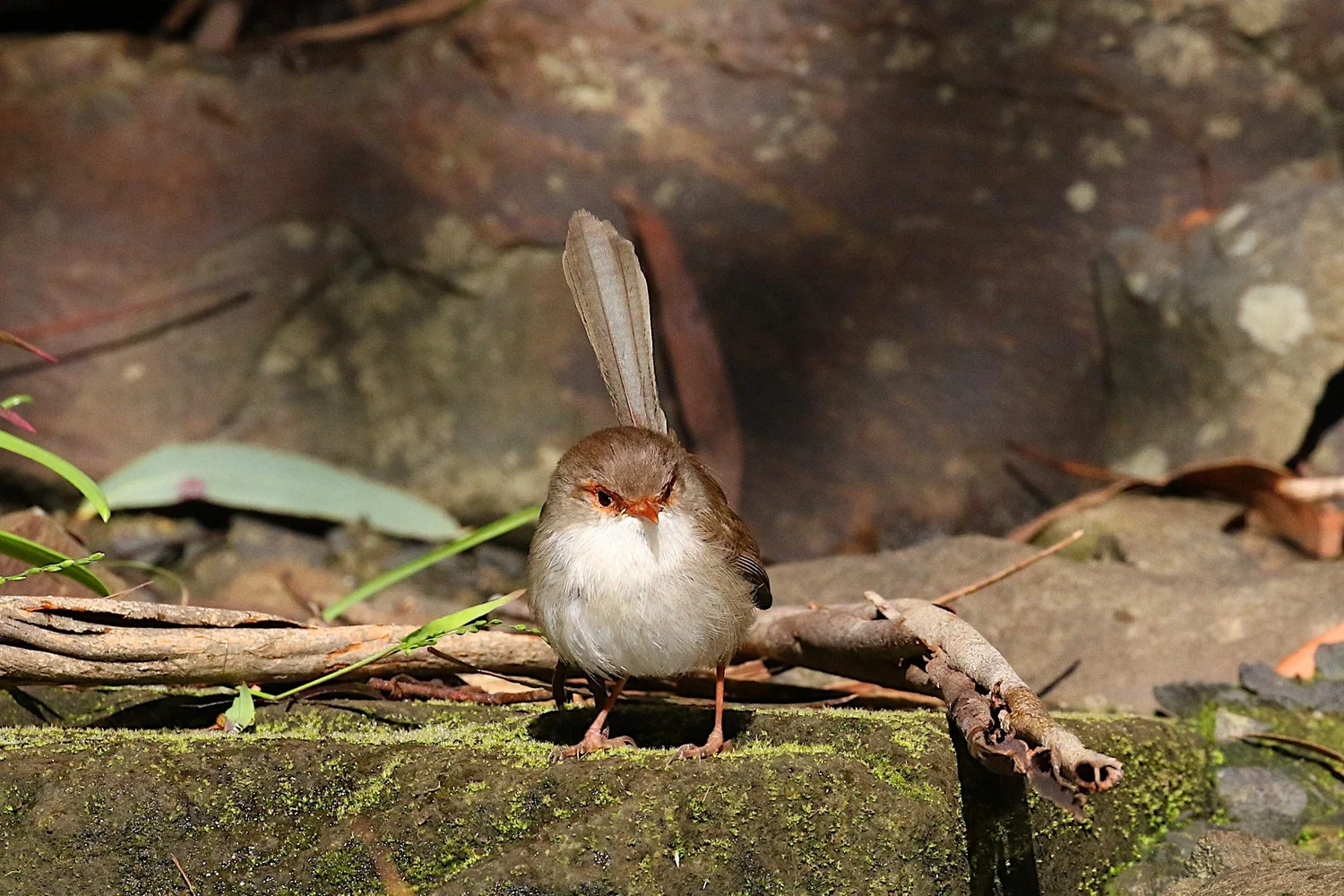
Volunteers conduct a monthly survey of bird species in Yarran Dheran, usually on the third Tuesday of every month.
It's a great way to learn about the local birdlife and new members are always welcome. The results of each month's survey are recorded and bird lists from recent surveys can be viewed at:
https://ebird.org/australia/hotspot/L3163291
The committee has maintained a record of bird sightings in the Reserve since 2006 and this may be viewed on the summary table bird sightings.
Water quality
WaterWatch
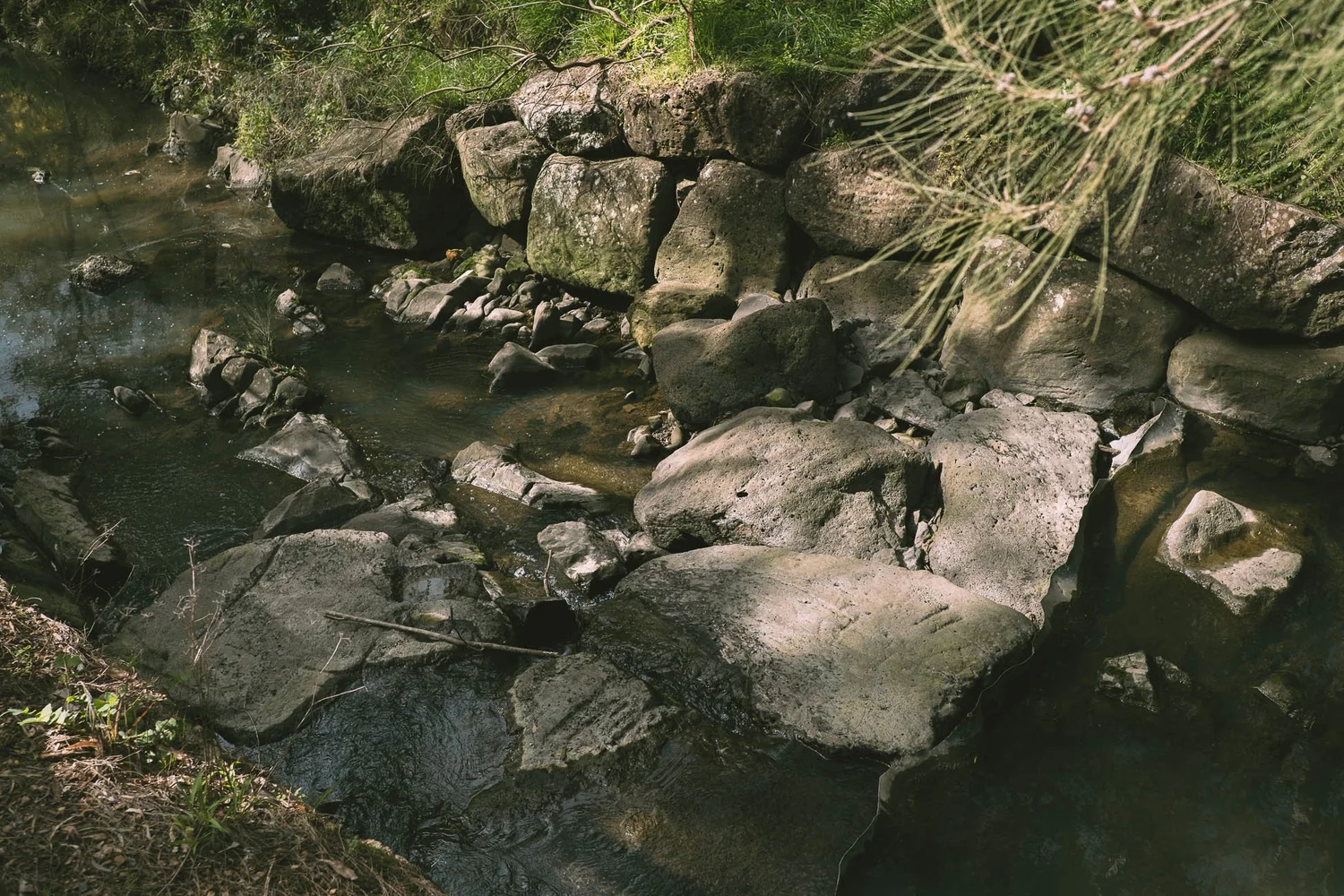
Melbourne Water's WaterWatch program is a citizen science program which monitors the current health of our local waterways.
It assesses what is currently impacting on the health of our local waterways and identifies opportunities for stream rehabilitation and education programs and projects.
Over the past 150 years our catchments have undergone significant change, due to urban development, vegetation removal, grazing, increases in hard surfaces and construction of stormwater systems.
These have all meant that the health of our local waterways is under threat, impacting on the survival of all aquatic life, including native fish, and the macro and micro organisms that live in the creek.
At Yarran Dheran, we test water samples taken from specified points along Mullum Mullum Creek on a monthly basis for water quality, using water quality indicators to test for phosphorus, electrical conductivity, turbidity, pH, ammonium and dissolved oxygen and report results to Melbourne Water.
For records of sampling results from the Mullum Mullum Valley, see Yarran Dheran Resv, off Beckett Rd. (ME_YML045), and Mullum Mullum Creek @ Upstream of Aquarius Court Tributary (YML011). Neighbouring sites can also be viewed for the Yarra River Catchment.
Citizen science
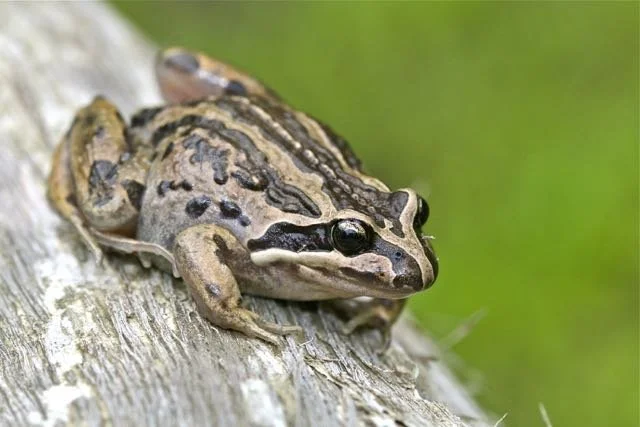
Frog surveys
This is a citizen science activity which you are welcome to join.
The committee conducts a quarterly survey of frog species heard in the ponds at Yarran Dheran as part of Melbourne Water's Frog Census and the Australian Museum FrogID program at FrogID – The Australian Museum.
These surveys are held in January, April, July and October during the early evening and provide an opportunity to learn how to use the Melbourne Water Frog Census app and to identify the calls of the seven species of frogs that may be found at Yarran Dheran.
The community is encouraged to record frogs in their own locations. For records of Yarran Dheran Seasonal Frog Records — sightings and/or calls — see the Yarran Dheran Seasonal Frog Register May 2026. Note that records are updated as they are confirmed by Frog Census or by FrogID.
Please contribute to our own data by providing any information from personal surveys when you receive confirmation.
Our Focus Areas
Natural Features & Vegetation
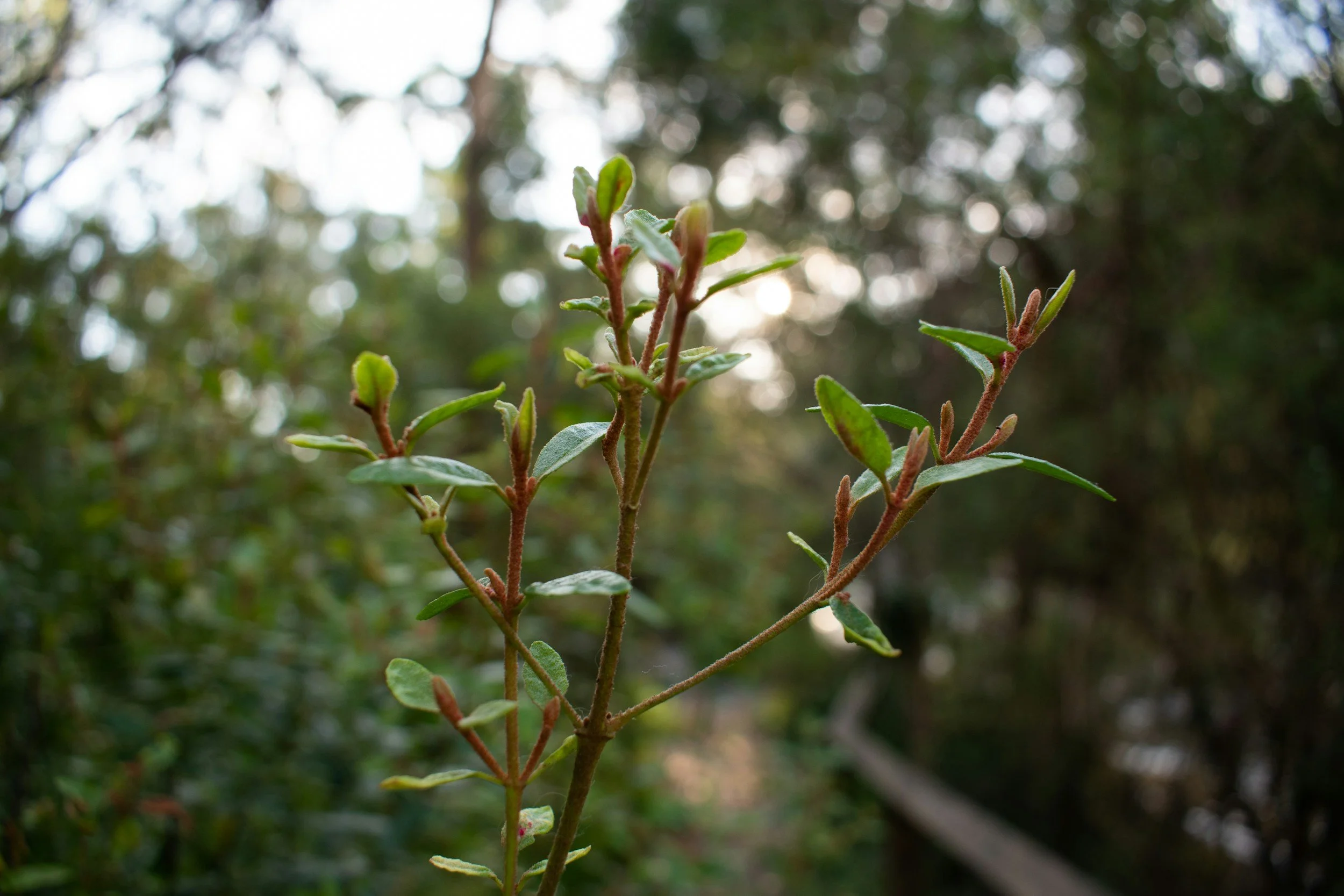
Yarran Dheran offers an opportunity to study habitat, flora and fauna not commonly found in an urban location, as well as a running creek that has remained above ground and not been channelled or barrelled over time as has been the fate of many urban creeks.
Being part of the iconic Mullum Mullum Valley, the Reserve represents opportunity to study one of the last areas of dry sclerophyll forest and valley heathy forest in urban Melbourne as well as riparian vegetation afforded by the creek.
A wide range of acacias may be identified in the reserve; the name ‘Yarran Dheran’ is believed to derive from the Wurundjeri meaning of ‘Wattle Gully’.
Wildlife & Habitat
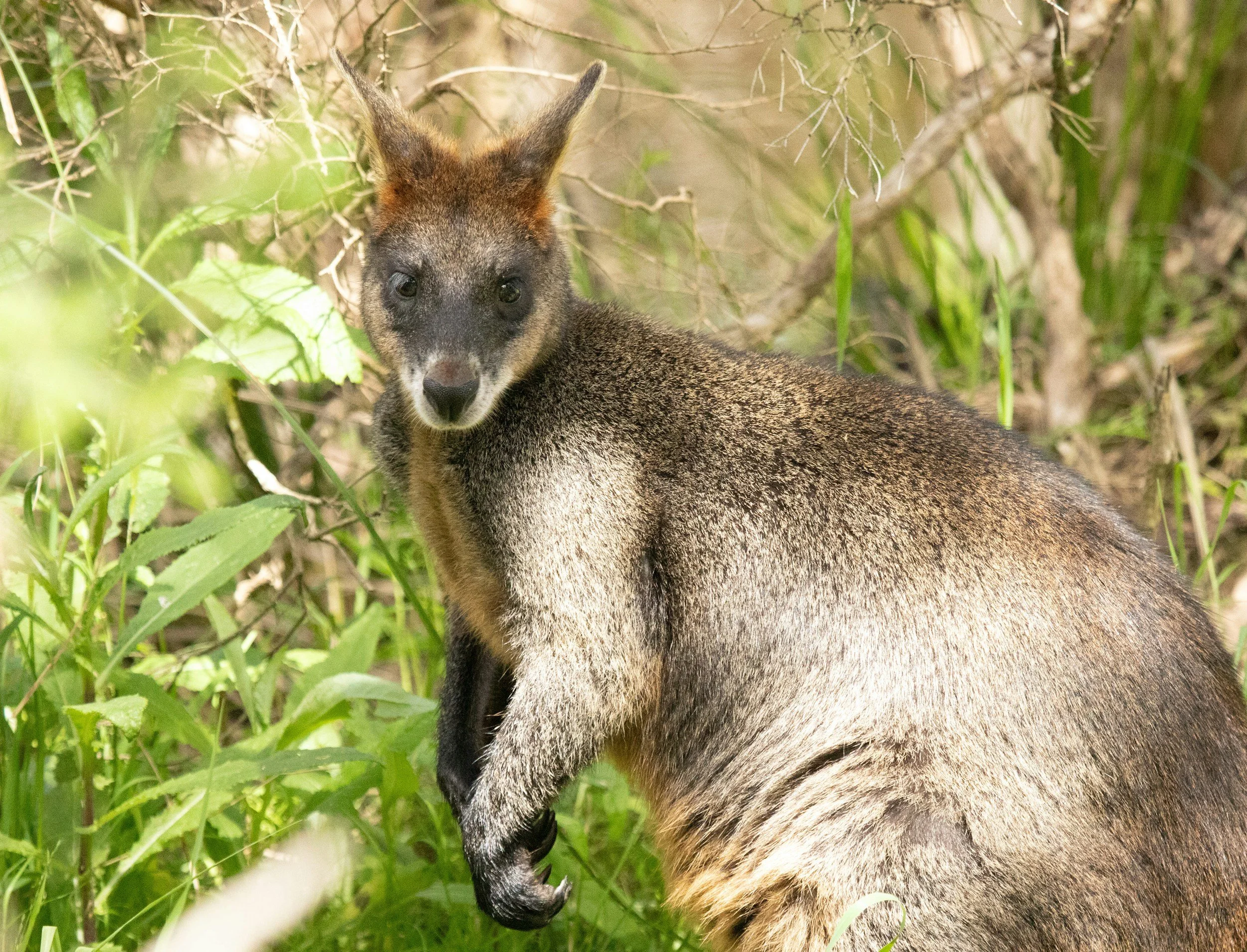
Further opportunities for study present themselves in relation to habitat and fauna. Yarran Dheran is part of an important corridor for wildlife due to the existence of the Mullum Mullum Creek which flows upstream from Croydon and then downstream to Templestowe to its confluence with the Yarra River.
Short-finned eels may be found in the creek, as well as some native fish and a range of micro and macroinvertebrates.
Restoration
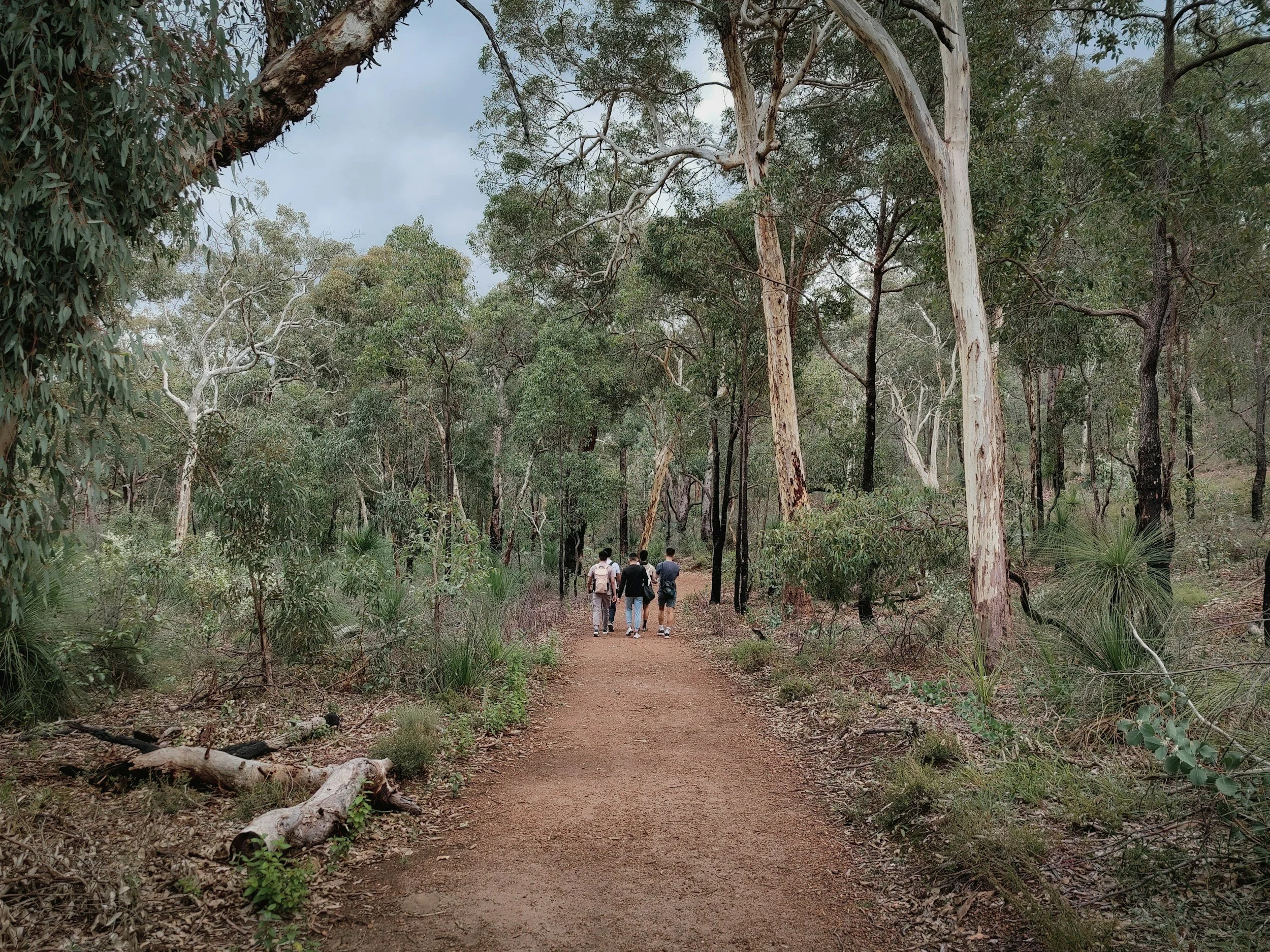
Ongoing human activity has seen the ongoing restoration of the bushland.
These efforts continue to the present day through preservation of remnant bush and revegetation of degraded areas.
Thus the reserve provides an opportunity to study both the negative impact of human use as well as more recent work, which while concerned with bush protection and revegetation, must also address modern problems of litter, especially in the creek.