

Weeds & garden escapees
Many popular garden plants can spread into bushland and outcompete native species. Learn to identify environmental weeds at Yarran Dheran and how you can help protect the reserve.
- 17 Weeds to spot
- Free Gardens for Wildlife program
Understanding Environmental Weeds
How garden plants escape into the bush, and why it threatens Yarran Dheran's native flora.
Why garden plants become weeds
They are often favourite plants: they might have attractive flowers, they might flower for a long time, they might be able to cover a fence or be able to cover an unattractive structure. They are hardy, they might need little water or care, they might remind us of home, or they might grow in a spot where nothing else seems to want to grow.
Within our own gardens, they are great plants to have for these reasons. But when they spread into bushland like Yarran Dheran, they are described as environmental weeds.
How weeds spread into the bush
Plants have always spread by wind, water, or they have been spread by birds. Many environmental weeds are able to establish themselves great distances from the parent plant, whether through bird dispersal of berries, or fruit, wind-blown seed or by inadvertent dispersal by humans and animals—as seeds may travel on clothing and footwear; improper dispersal is when humans dump garden waste in bushland areas.
Some have secondary strategies for establishing themselves in other places. e.g., by invading along waterways and then using root fragments or root suckering to establish themselves. Foxes are important agents in spreading blackberry.
The effect on native bushland
Any non-indigenous plant that colonises itself in bushland competes with indigenous flora is an environmental weed. They are tough plants and easily out-compete most indigenous flora for space, moisture, nutrients, sunlight and pollinators. In time, they smother or overrun indigenous vegetation, our bushland diversity suffers and the bushland might disappear altogether.
Environmental weeds are sold through major retailers and markets. Familiarise yourself with them to avoid planting any of them. Once established, they can be extremely difficult and costly to remove. If you have these weeds in your garden you should work towards safely removing them or ensuring they do not spread.
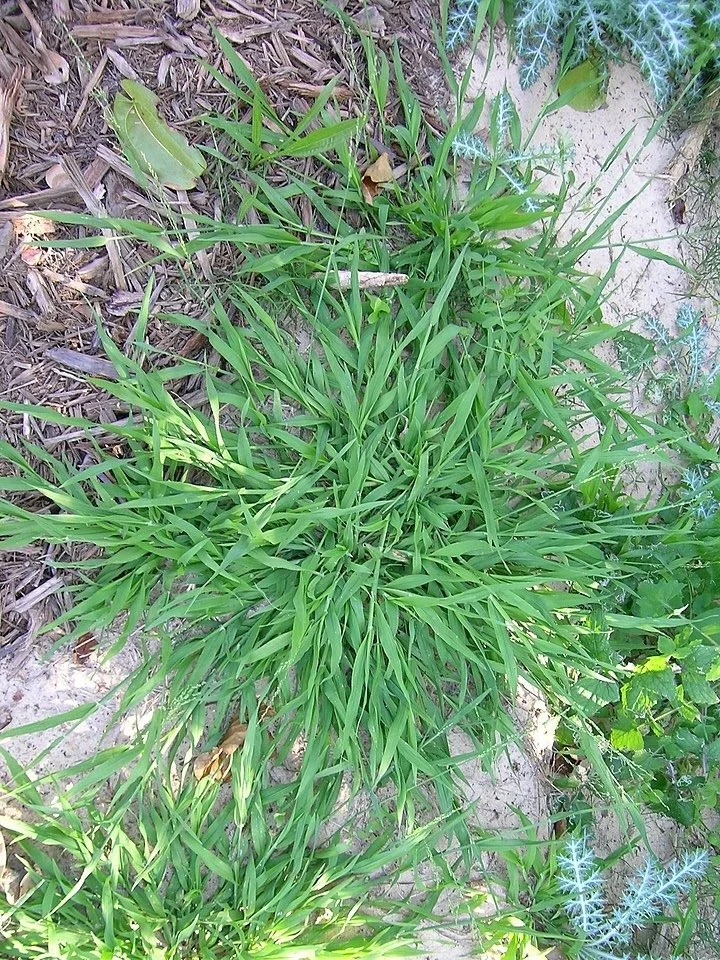
Panic Veldt Grass – Ehrharta erecta. Spreads by seed.
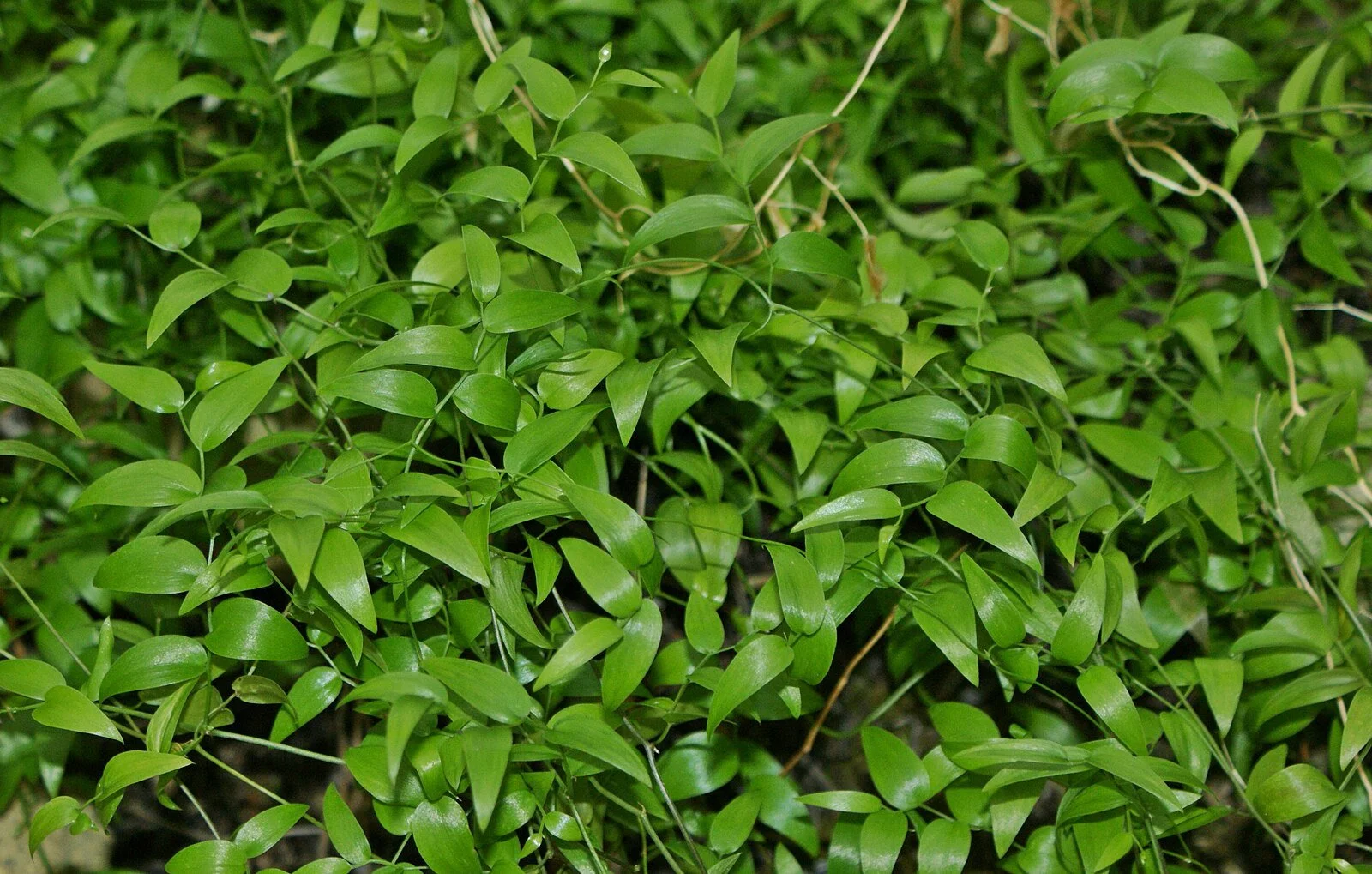
Bridal Creeper – Asparagus asparagoides. Aggressive climber. Berries dispersed by birds.
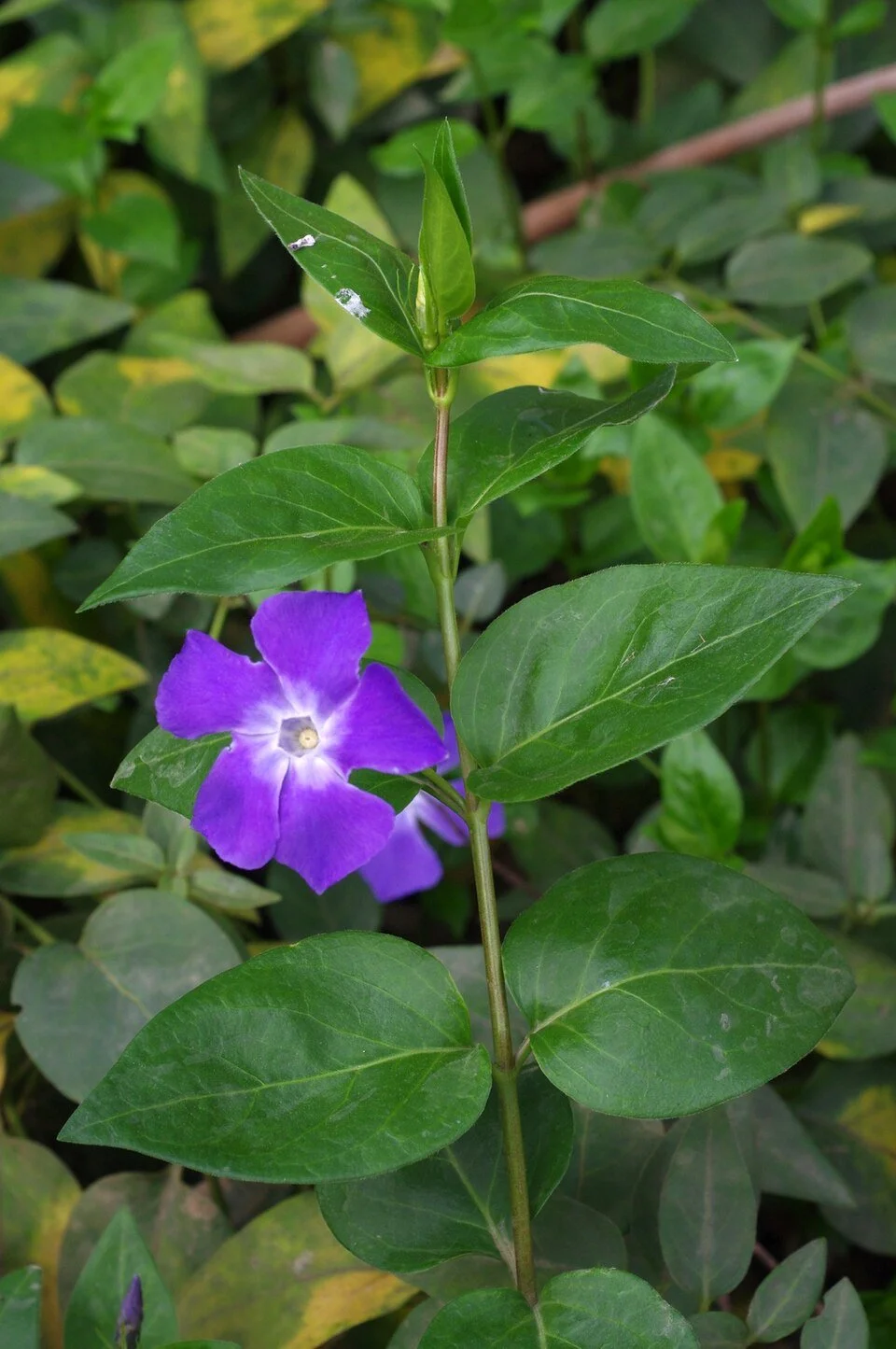
Blue Periwinkle – Vinca major. Spreads by rooting stem fragments. Invades damp, shady areas.
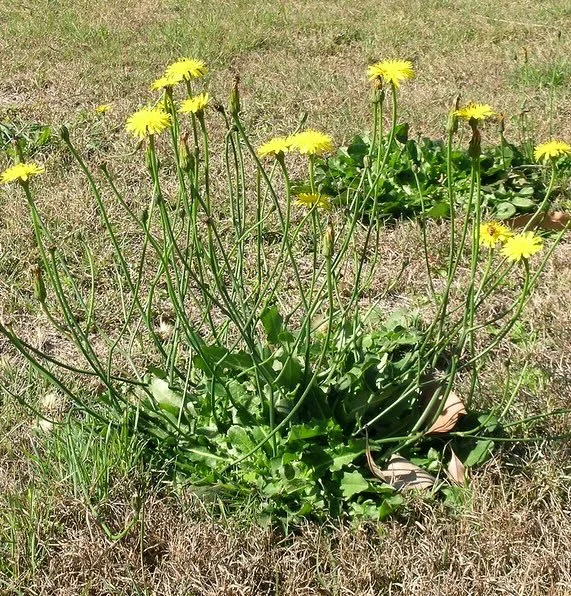
Cat’s ear, Flatweed – Hypochoeris radicata. Spreads by seed.
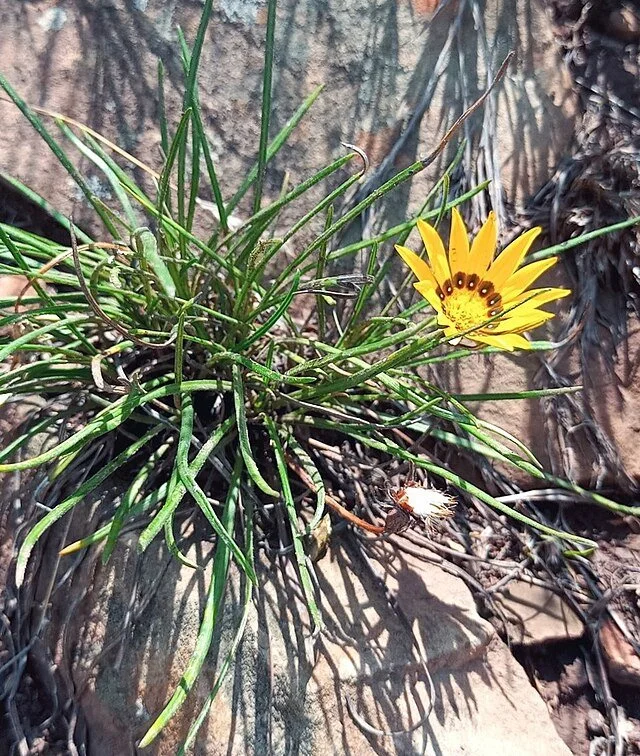
Gazania – Gazania linearis, Gazania rigens & hybrids. Spreads by seed and human planting. Widespread across Victoria, often mistaken for native wildflowers.
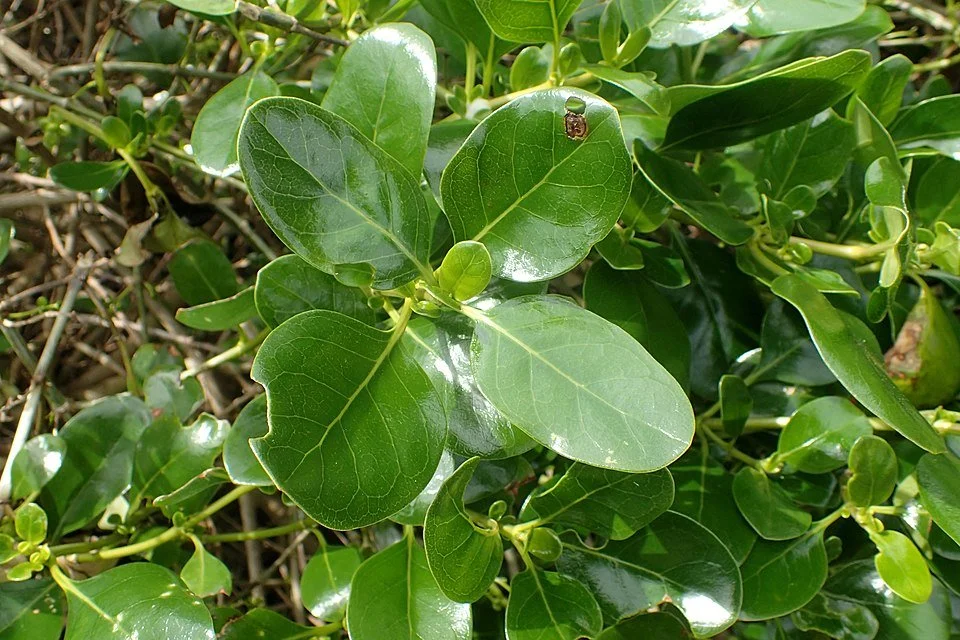
Mirrorbush – Coprosma repens. Spreads by bird-dispersed seeds.
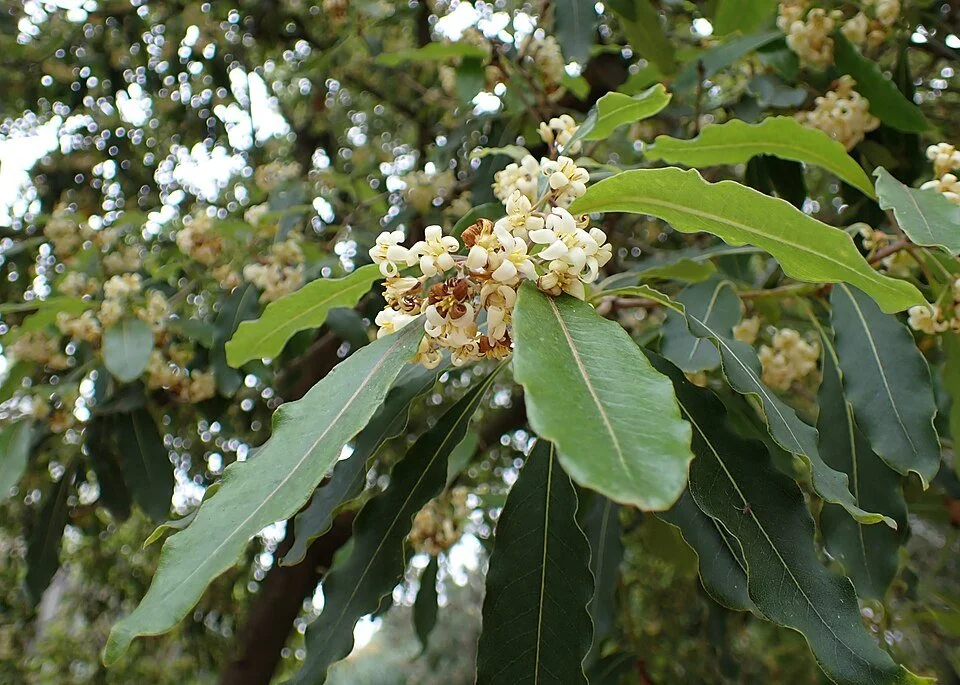
Sweet Pittosporum – Pittosporum undulatum. Spreads by seeds dispersed by birds and mammals.
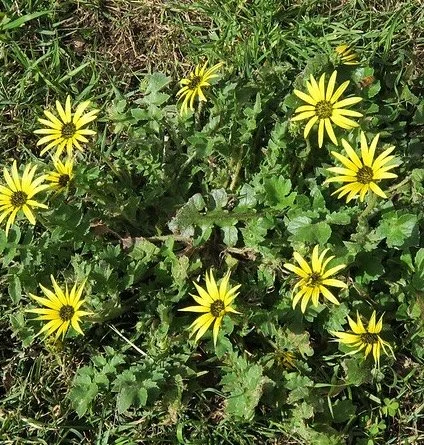
Capeweed – Arctotheca clanedula. Spreads by seed.
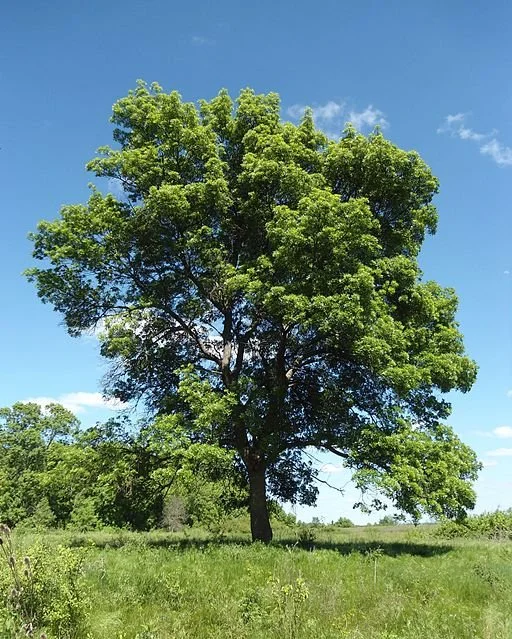
Desert Ash – Fraxinus angustifolia. Spreads by wind- and water-dispersed seeds and root suckers forming dense stands.
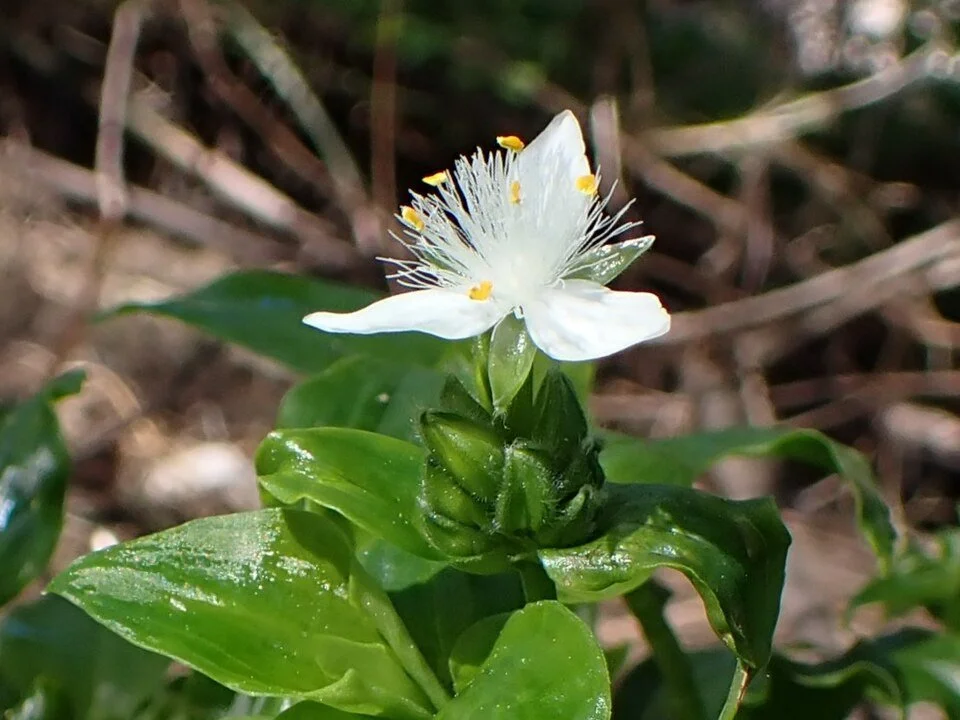
Wandering Tradescantia – Tradescantia fluminensis. Forms dense carpets in damp, shady areas. Spreads by root fragments. Invasive in waterways.
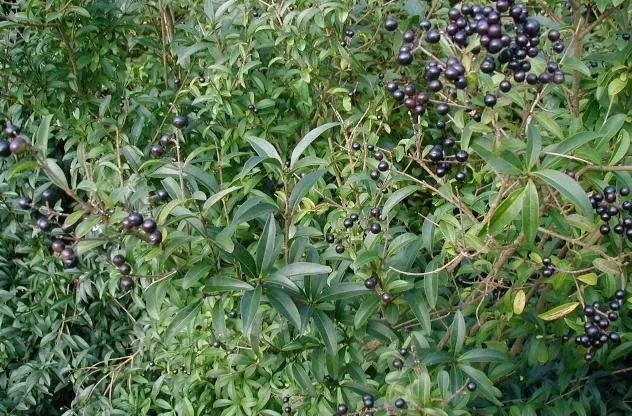
Privet – Ligustrum vulgare. Spreads by bird-dispersed shiny black berries.
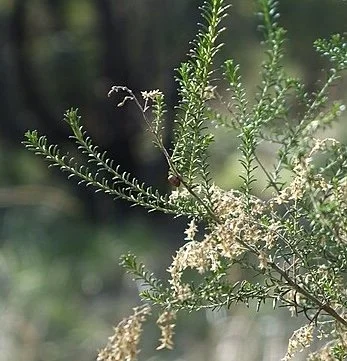
Drooping Cassinia - Cassinia sifton. Seeds spread by wind or water or by becoming attached to human clothing, or to the coats of animals brushing past plants.
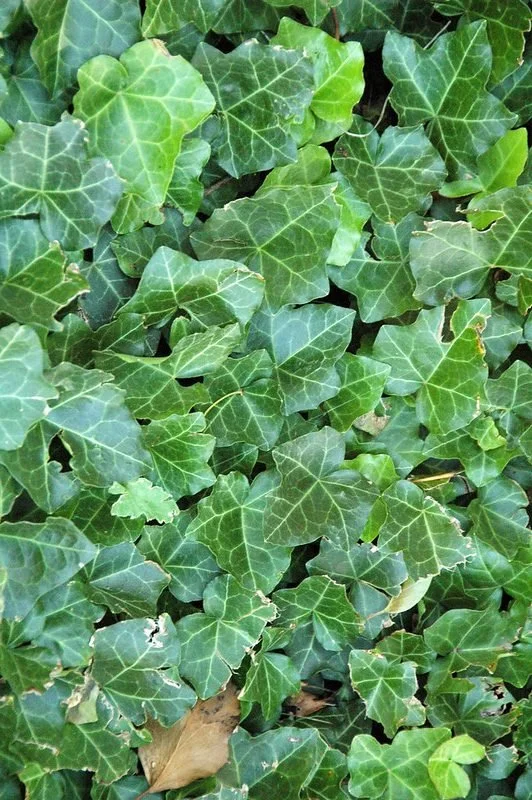
English Ivy – Hedera helix. Vigorous vine/creeper. Spreads by berries and rooting stem fragments.
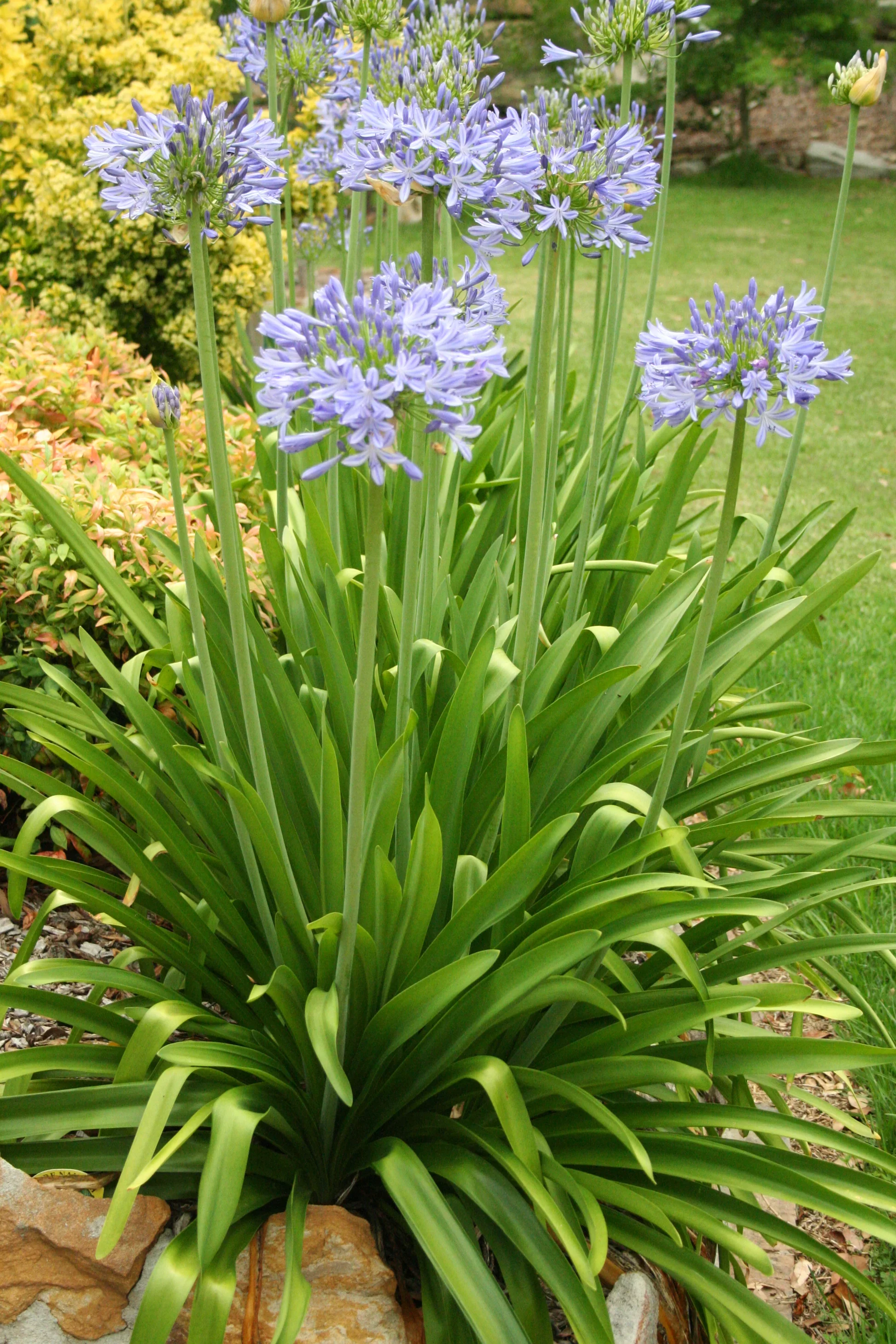
Agapanthus – Agapanthus praecox subsp. orientalis. Spreads by seed and cut root fragments. Deadhead flowers before seeds ripen.
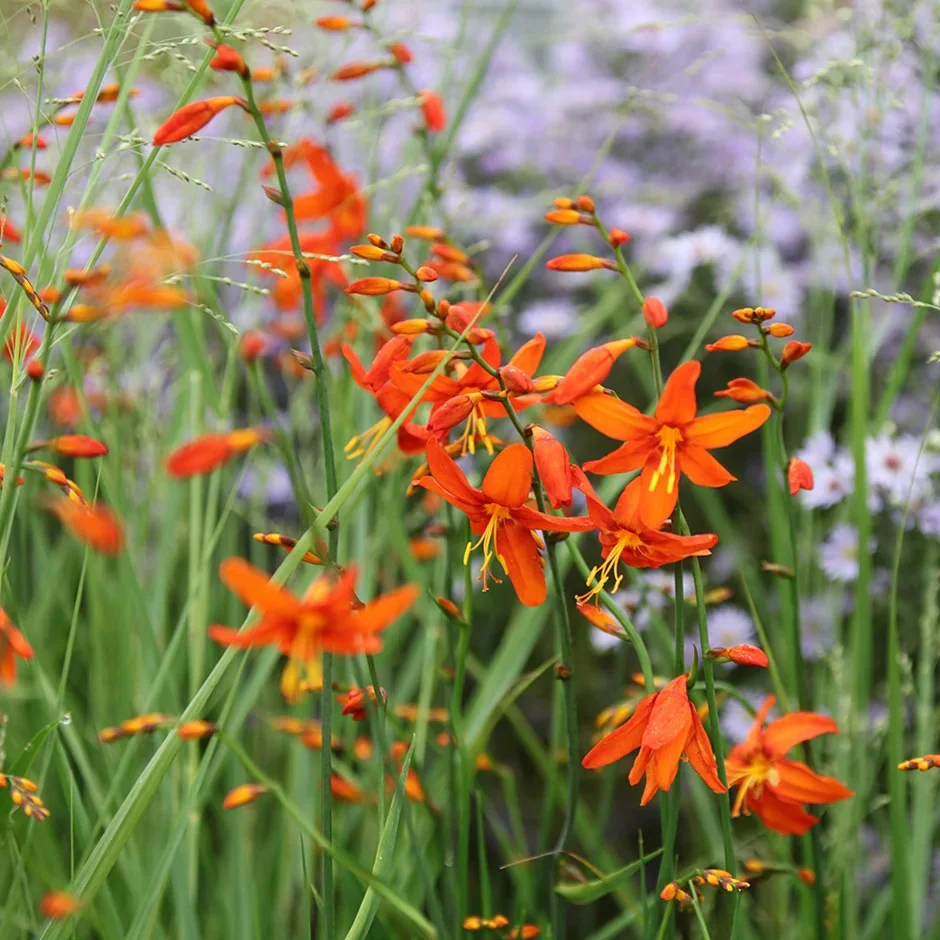
Asparagus Fern – Asparagus scandens. Spreads via strong underground rhizomes. Seeds dispersed by birds.
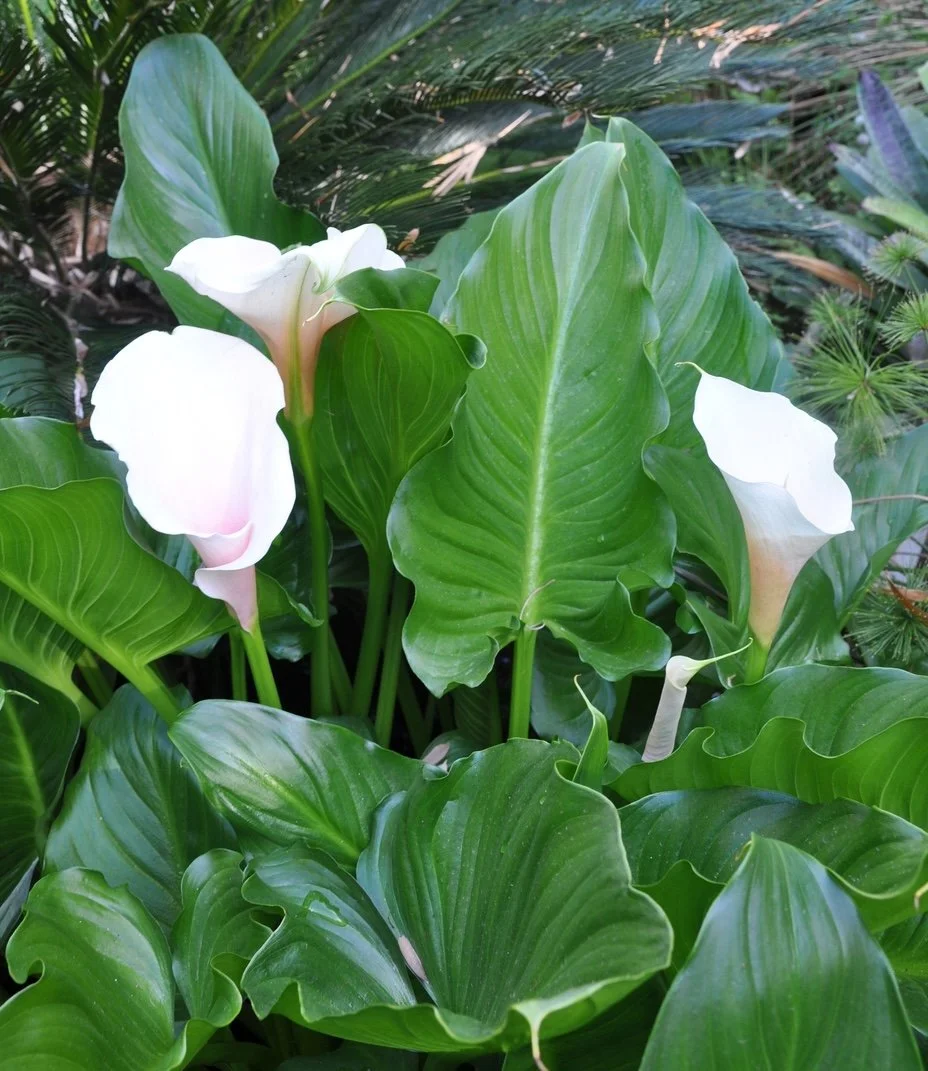
Arum Lily – Zandedeschia aethiopica. Spreads by seed and underground stems. Invades damp areas and creek lines.
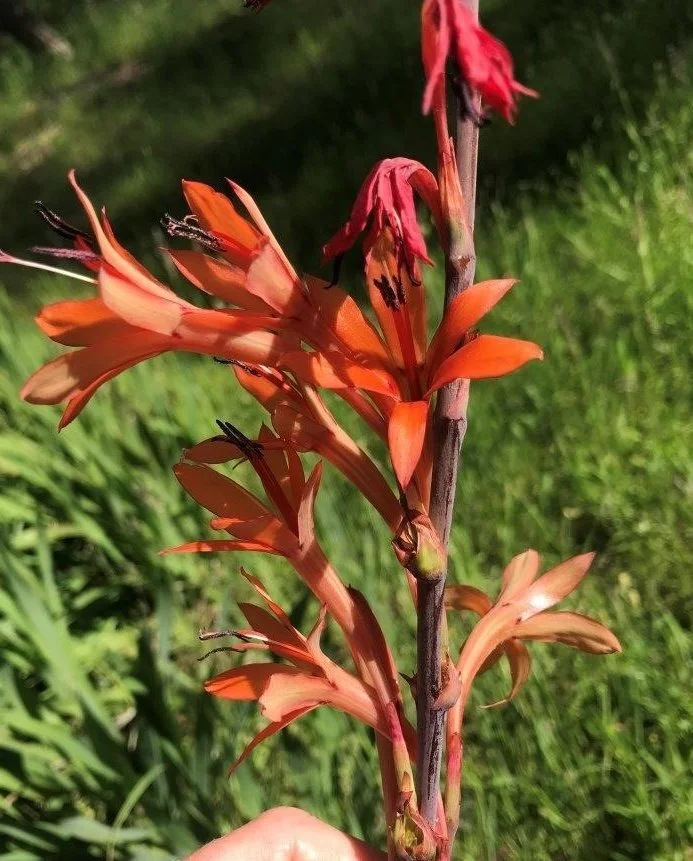
Bulbil Watsonia – Watsonia meriana var. bulbilifera. Spreads by underground swollen stems and bulbils dropped from flower spikes.
Learn More
Further reading, indigenous plant nurseries, and programs that help you turn your garden into part of the solution.
Booklets & council resources
Practical guides on weeds and indigenous gardening from neighbouring councils.
Indigenous plant suppliers
For advice on indigenous plants that make good replacements for environmental weeds in your garden.
- Bungalook Nursery — Blackburn South
- Greenlink — Box Hill
Gardens for Wildlife Program
A free Whitehorse City Council initiative that helps residents transform their backyards into thriving habitats for native birds, butterflies, lizards, insects, and frogs — boosting local biodiversity one garden at a time.